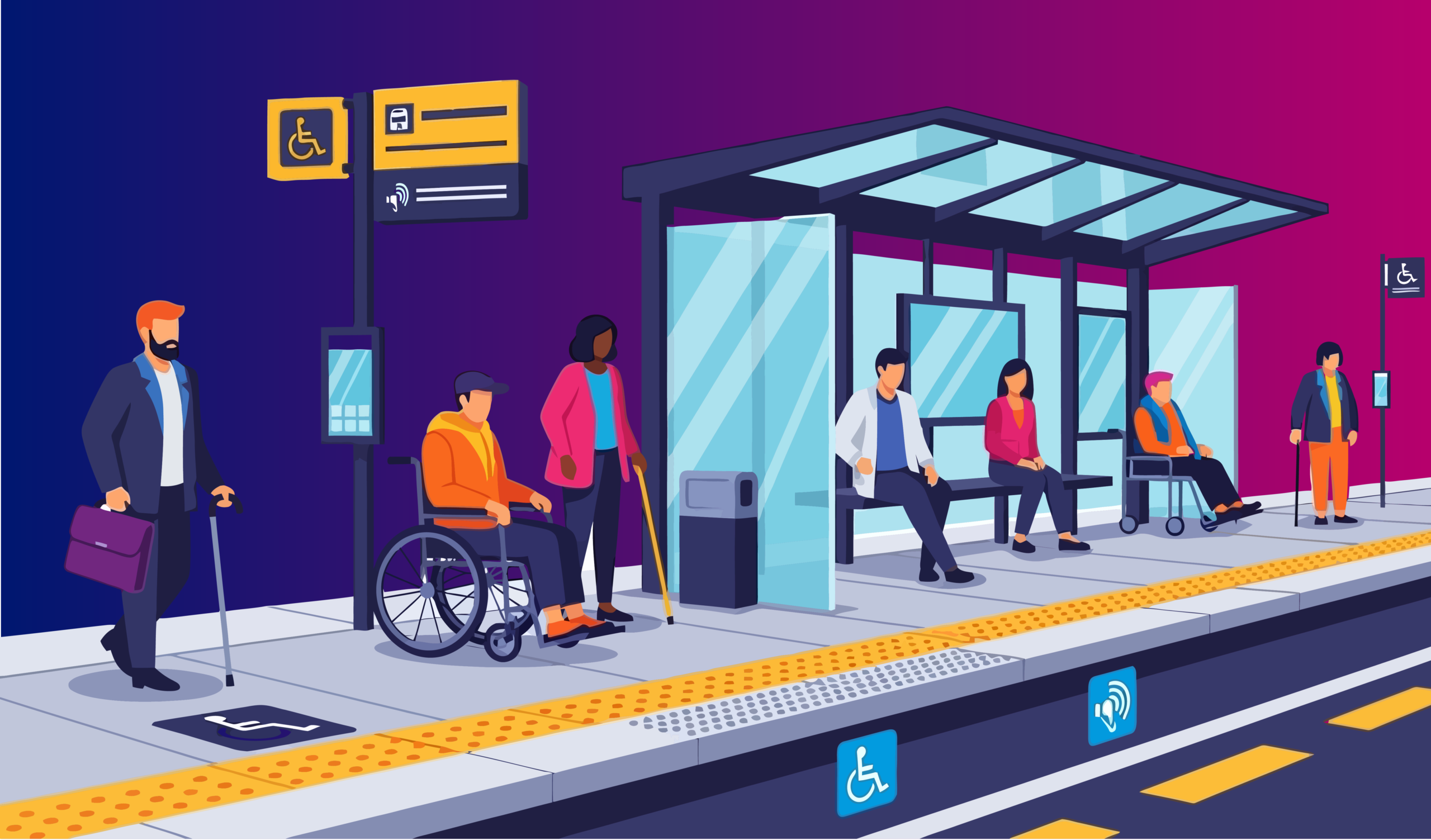
Designing with, not for: Rethinking inclusion in transport and urban design.
The launch of Season 5 of Conversations in Momentum begins with a powerful reminder: good design starts with people – not assumptions.
In our latest episode, Michael Barratt MBE, construction advisory and innovations manager at TfL, reflects on nearly three decades of experience shaping safer, more inclusive streets across the capital. His message is clear – if we want better outcomes, we need to fundamentally rethink how we design.
From lived experience to better design
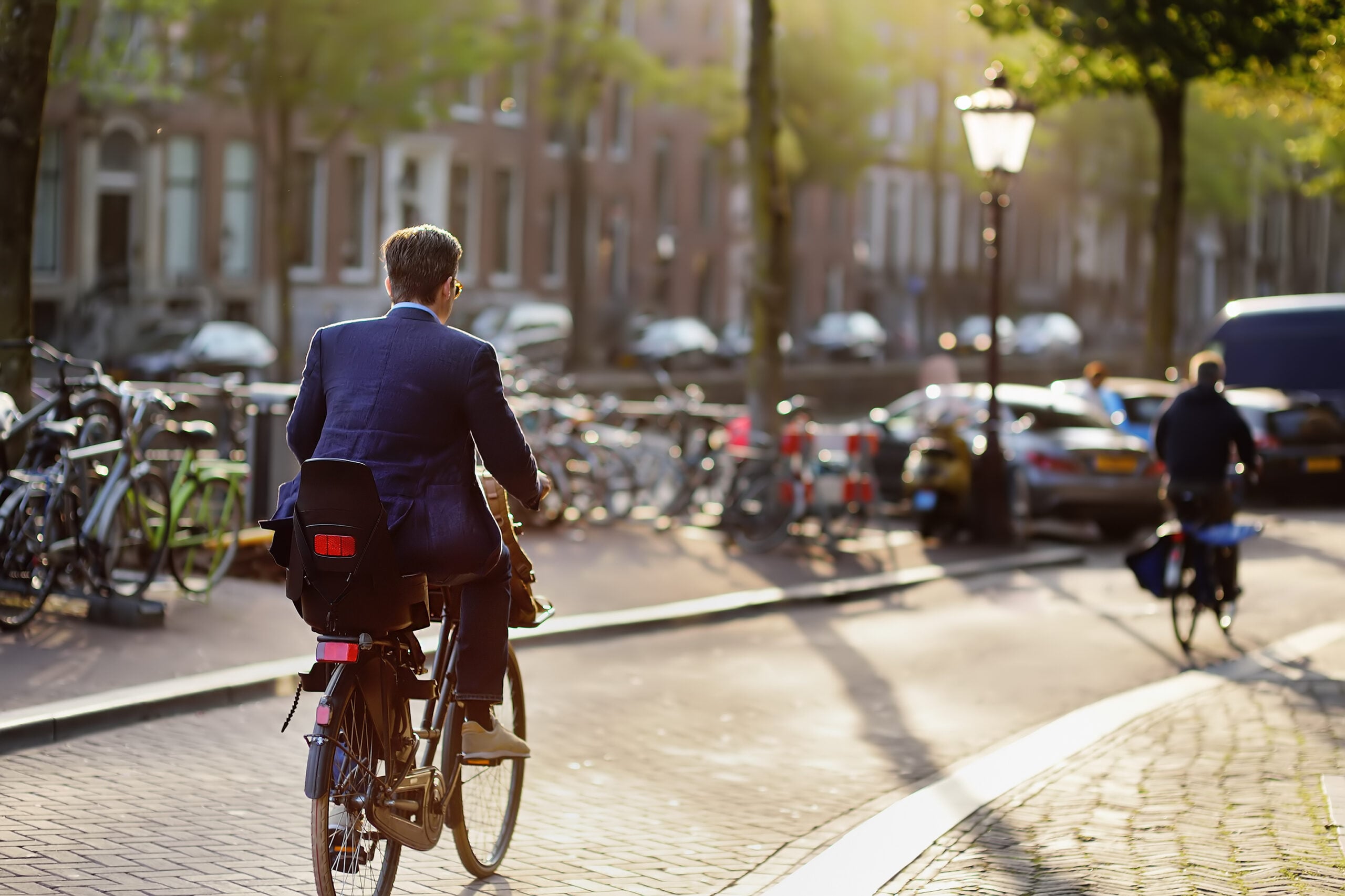
Michael’s journey began not in a boardroom, but on a bike.
After being challenged by a cycling campaigner to experience London’s streets first-hand, he quickly realised that technical compliance doesn’t always translate into real-world safety. That experience became a turning point – highlighting the gap between designing by the book and designing for actual users.
His approach since then has been rooted in engaging directly with people – particularly those often excluded from traditional consultation processes. Whether working with disabled communities or neurodiverse individuals, the emphasis is on valuing lived experience as a form of expertise.
As Michael puts it, we shouldn’t treat engagement as a favour – but as a professional contribution.
Collaboration as a catalyst for change
One of the defining features of Michael’s work is its collaborative nature.
From early morning road safety patrols to multi-stakeholder forums, he brings together campaigners, contractors, local authorities and designers to experience challenges collectively – often in real time. This shared understanding creates faster, more practical solutions.
Crucially, it also helps bridge competing priorities.
Developers, for example, are often balancing time, cost and delivery pressures, while public sector teams are focused on safety and impact. Rather than forcing one agenda over another, Michael advocates for finding alignment – understanding different perspectives and working towards a shared goal.
Beyond tick-box design
A recurring challenge in the industry is the risk of processes becoming performative.
Tools like Equality Impact Assessments are essential — but without meaningful engagement, Michael believes they can become “tick-box” exercises. His approach is to bring these processes to life: turning forms into conversations, and data into real human stories.
By grounding decisions in real experiences designers can better understand the true impact of their work.
Designing for difference
Perhaps the most complex challenge is designing for diversity – particularly when it comes to neurodiversity.
There is no single “user”, and no universal solution. Instead, Michael advocates for a layered approach: considering how elements like noise, colour, complexity and language affect different people in different ways.
The goal isn’t perfection, it’s consideration.
In fact, one of his simplest measures of success is whether a design goes unnoticed. If a space feels intuitive, calm and easy to navigate, it’s likely working well for a wide range of users.
A simple principle
When asked what the future of inclusive transport looks like, Michael’s answer is striking in its simplicity:
Be considerate.
It’s a principle that challenges the industry to stay humble and to recognise that expertise doesn’t come solely from qualifications or experience, but from listening, learning and adapting continuously.
As cities continue to grow and evolve, this mindset may be one of the most important tools we have.