Shaping public spaces through design.
“It brought together collaboration, technical understanding, and creative problem-solving in equal measure. More importantly, it showed the power of visualisation as a communication tool. It helps planners share their ideas clearly, supports discussions with stakeholders, and allows communities to picture a positive change.”
At Momentum we talk a lot about creating spaces for people, and as the company’s design manager, working within a team of planners and engineers, my role can sometimes feel slightly behind the scenes.
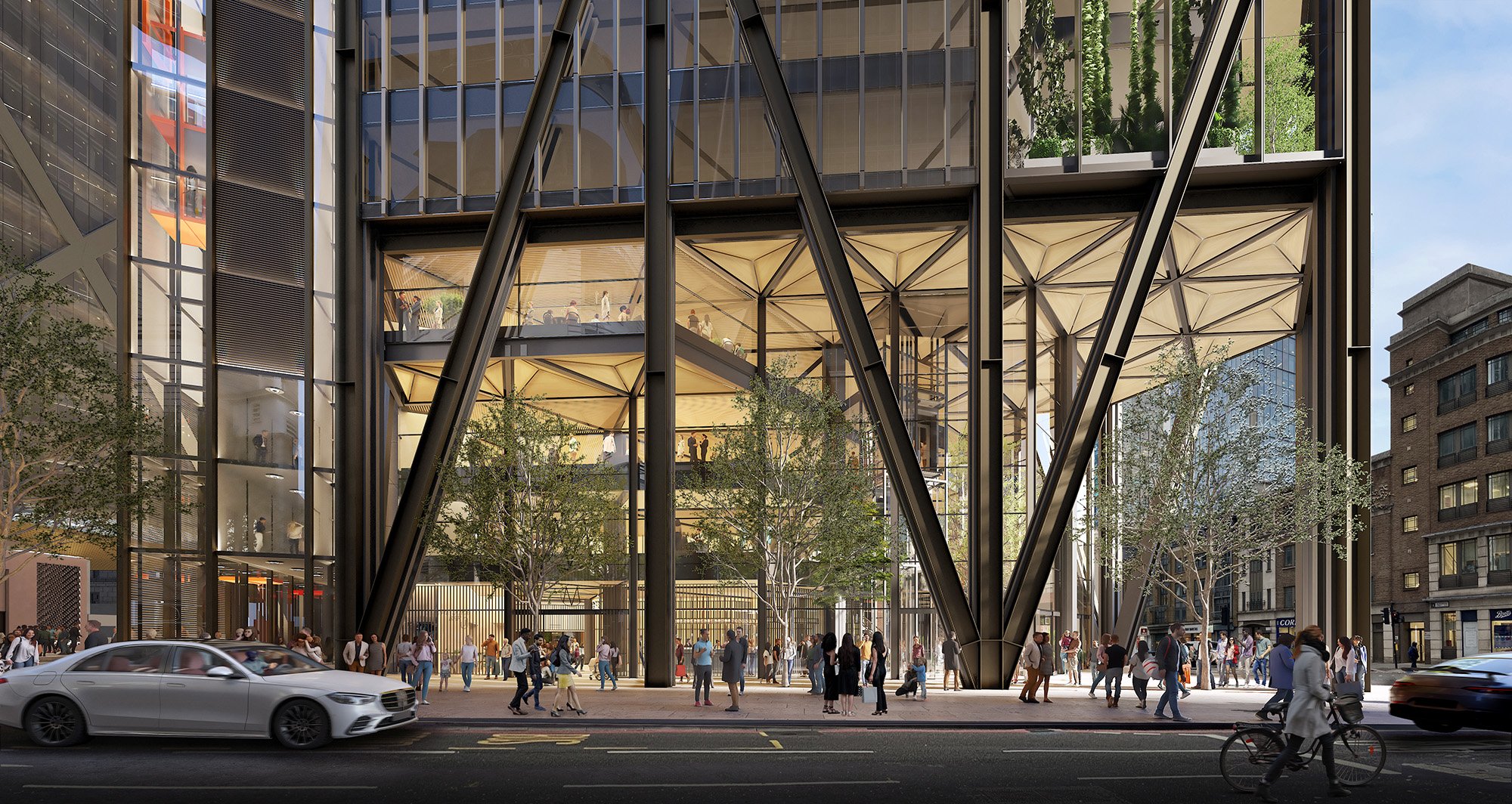
But a recent confidential project was a clear reminder of how visualisation plays a key part in turning planning ideas into something people can immediately understand and engage with.
The brief was to produce ten visualisations for ten public realm locations across London. Each site was different, but the ambition was the same: to improve everyday spaces and make them work better for the people who use them. With a background in technical architecture, I sit comfortably between design intent and technical reality, which is exactly where this type of work lives.
The process started where it should, on site. Together with one of my colleagues, I visited each location to understand the space. Walking the streets, observing how people move through them, and talking through proposed changes in real time always brings clarity that drawings alone can’t offer. It’s also one of my favourite parts of the job.
We photographed each location extensively, taking around twenty images per site from different angles. These became the foundation of the visual work. Once the site visits were complete, the planning team prepared detailed briefing documents, setting out what needed to be included or removed, the overall vision for each space, and the key principles behind the proposals.
This is where the real challenge began. We don’t use AI to generate our visualisations. Every image is built manually, using a mix of design software, photography, illustrations, and real material references. It’s a slower process, but it allows for accuracy and control, and ensures that what you see on screen genuinely reflects what could be delivered on the ground.
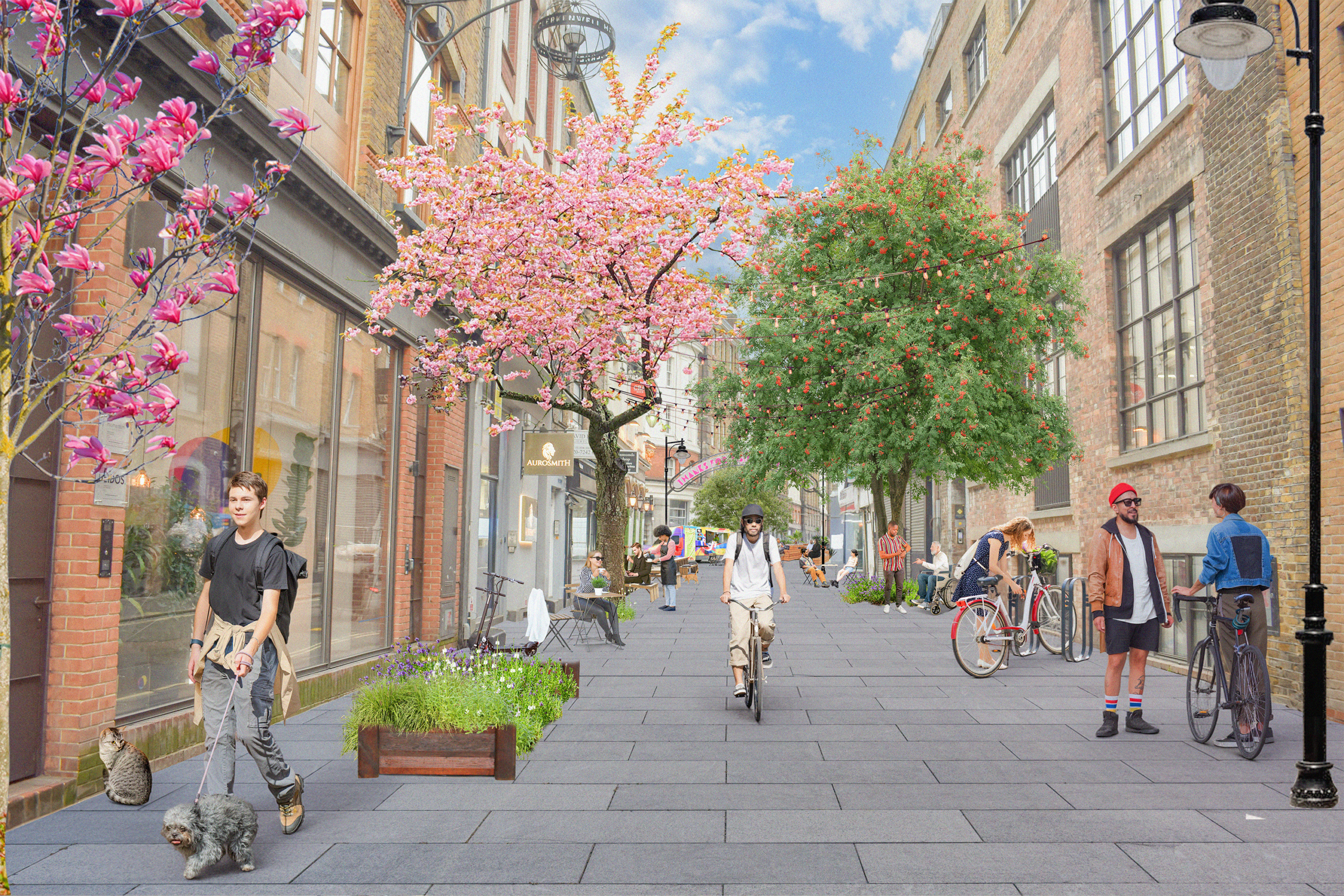
Each visualisation involves carefully removing vehicles and unnecessary clutter, introducing new paving, planting, and street elements, and then bringing people back into the scene in a natural way. Seeing the before-and-after images side by side is always rewarding, particularly when the transformation feels achievable rather than over-polished.
Timing didn’t make things easier. All site visits took place in December and January, which meant grey skies, wet pavements, bare trees, Christmas decorations, and the occasional downpour. Turning that into inviting, green public realm visuals required a lot of patience and a lot of editing. Colour had to be reintroduced carefully, planting built up layer by layer, and textures blended so the final image felt believable. There was plenty of cutting, copying, pasting, and tweaking involved.
Despite the challenges, this project was a real pleasure to work on. It brought together collaboration, technical understanding, and creative problem-solving in equal measure. More importantly, it showed the power of visualisation as a communication tool. It helps planners share their ideas clearly, supports discussions with stakeholders, and allows communities to picture a positive change.
Transforming streets and public spaces still feels a bit like a dream to me, in the best possible way. Being able to help make that dream visible, one image at a time, is something I genuinely enjoy and value as part of my role at Momentum.